
How Catering Services Support Seamless Event Execution
Planning an event involves balancing dozens of moving parts, each with its own timeline, budget considerations, and potential risks. From coordinating vendors to managing guest expectations, the success of an event often depends on how well these elements are integrated behind the scenes. One area that consistently plays a central role in this process is food service. Beyond simply providing meals, catering services contribute structure, coordination, and operational support that helps events run smoothly from start to finish. When properly planned and executed, catering becomes an anchor that supports the overall flow of an event rather than a standalone component.
Whether the occasion is a corporate meeting, wedding reception, fundraiser, or private celebration, professional catering teams operate at the intersection of logistics, hospitality, and timing. Their involvement influences everything from setup schedules to guest movement and even the pacing of presentations or entertainment. Understanding how catering services support seamless event execution helps hosts make more informed decisions and highlights why early planning and collaboration are essential.
Supporting Early Event Planning and Coordination
One of the most significant ways catering services contribute to seamless execution is through early involvement in the planning process. Menu development, service style, and equipment needs all affect how an event space is used and how timelines are structured. When caterers are consulted early, they can help identify potential challenges related to kitchen access, power requirements, staffing levels, and service flow before issues arise.
Early coordination also allows catering professionals to align their plans with other vendors, such as rental companies, venue managers, and audiovisual teams. For example, understanding when tables will be delivered or when sound checks are scheduled helps catering teams plan setup and breakdown times that do not interfere with other critical tasks. This collaboration reduces last-minute adjustments and helps maintain a predictable schedule on the event day.
Additionally, catering services often assist with guest count planning and menu scaling. Accurate projections help avoid food shortages or excessive waste, both of which can disrupt an event’s rhythm. By working closely with hosts during the planning phase, caterers help establish a foundation that supports smooth execution and minimizes operational surprises.
Managing Food Logistics and Service Timing
Food logistics are among the most complex elements of any event, involving preparation schedules, transportation, storage, and precise service timing. Catering services are designed to manage these variables efficiently, ensuring that meals are served at the right temperature and at the appropriate moments during the event. This level of coordination helps maintain momentum and prevents delays that can affect speeches, presentations, or entertainment.
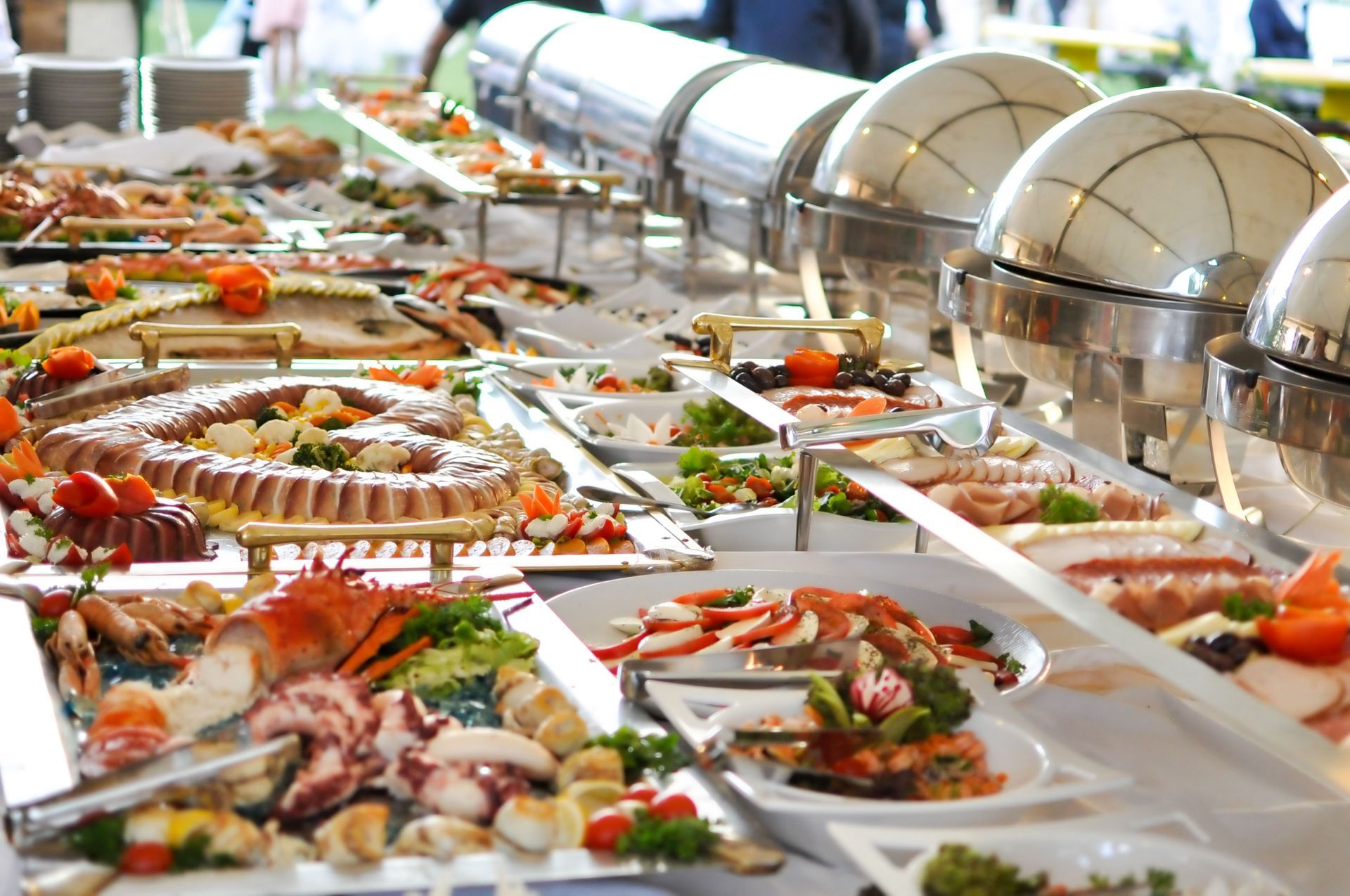
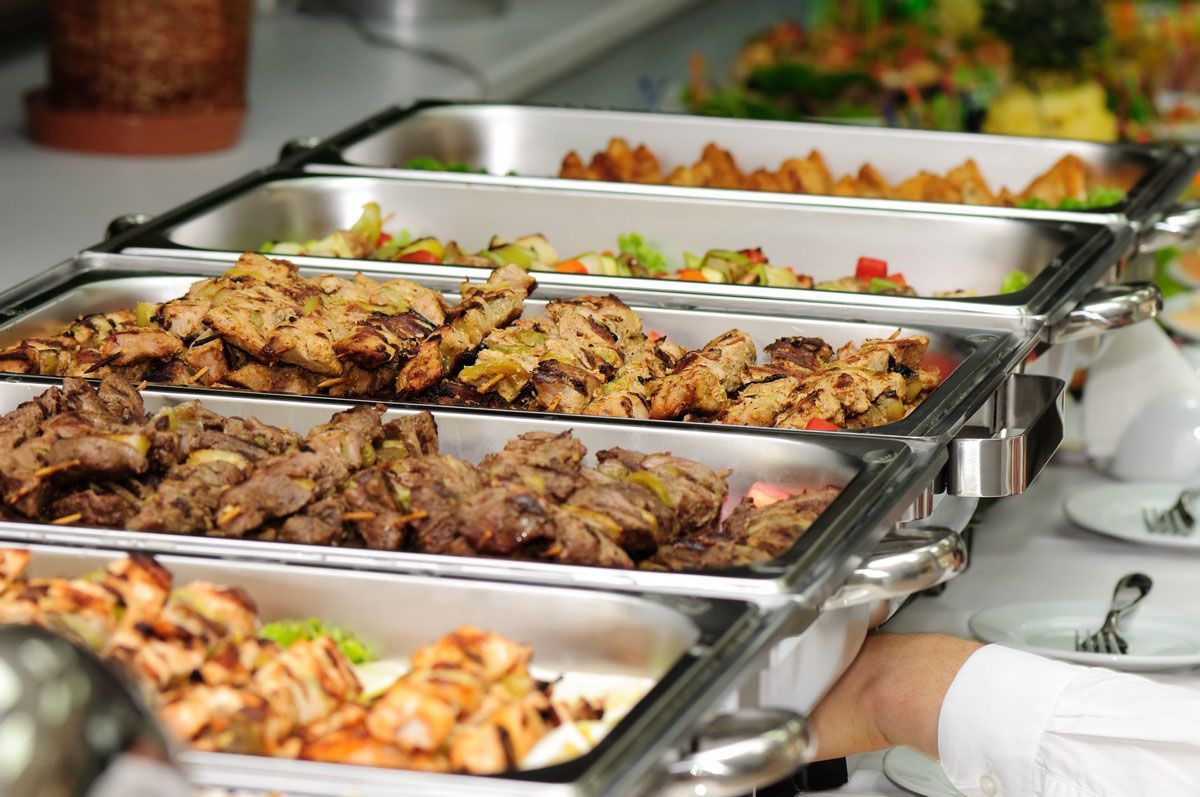
Professional caterers develop detailed service timelines that account for guest arrival patterns, transitions between event segments, and venue-specific constraints. For plated meals, this may involve synchronizing kitchen output with server pacing so that entire tables are served consistently. For buffet or station-style service, it includes managing lines and replenishment to avoid congestion. Each decision influences how guests move through the space and how comfortable they feel throughout the event.
Catering services also handle contingency planning related to timing. If a keynote speaker runs long or a ceremony starts late, experienced catering teams adjust service schedules accordingly without drawing attention to the change. This flexibility allows events to adapt naturally while maintaining a polished, organized appearance.
Coordinating Staff and On-Site Operations
Staffing is another area where catering services significantly impact event execution. Servers, bartenders, chefs, and support staff are trained to work within event environments that require coordination, discretion, and adaptability. Their presence allows hosts and planners to focus on guests rather than operational details.
On-site catering teams often function as an extension of the event management structure. They communicate with venue staff, respond to guest needs, and address issues such as spills, missing place settings, or special meal requests quickly and quietly. This responsiveness prevents small problems from escalating into noticeable disruptions.
Clear internal communication is a hallmark of effective catering operations. Team leaders coordinate staff assignments, monitor service progress, and adjust roles as needed throughout the event. This level of organization ensures that service remains consistent even as guest needs evolve. By managing these on-the-ground details, catering services contribute to an event environment that feels calm, controlled, and well-orchestrated.
Enhancing Guest Experience Through Structured Service
Guest experience is shaped not only by what is served but by how and when it is delivered. Catering services influence perception through presentation, pacing, and attentiveness. A thoughtfully structured service approach helps guests feel welcomed, comfortable, and engaged with the event itself rather than distracted by logistical issues.
Menu design plays a role in this experience, as well-planned offerings align with the event’s tone and schedule. Lighter fare may support networking-heavy events, while multi-course meals can complement formal celebrations. Catering teams consider dietary needs, cultural preferences, and accessibility when designing menus, ensuring that a wide range of guests feel included.
Service style also affects how guests interact with one another and the space. Passed hors d’oeuvres encourage movement and conversation, while seated meals create moments of focus and shared experience. Catering services help hosts choose formats that support their event goals, reinforcing the intended atmosphere and flow.
Integrating Technology and Modern Ordering Practices
The catering industry has evolved alongside broader changes in event planning technology. According to Curate’s 2025 catering industry report, 75 percent of catering orders are now placed online. This shift has streamlined planning processes and improved communication between hosts and catering teams, contributing to smoother execution overall.
Online ordering platforms allow clients to review menus, make selections, update guest counts, and communicate preferences in a centralized system. This reduces the risk of miscommunication and provides catering services with clear, documented instructions that can be shared across their teams. Digital tools also support more accurate forecasting, inventory management, and staffing decisions.
For events with complex requirements or multiple stakeholders, technology enables faster adjustments and confirmations. Changes to menus or service details can be tracked and implemented efficiently, reducing last-minute confusion. By integrating modern ordering practices into their workflows, catering services enhance reliability and transparency throughout the planning and execution phases.
Reducing Risk and Supporting Event Flexibility
Even the most carefully planned events can encounter unexpected challenges, from weather disruptions to last-minute guest changes. Catering services play a key role in risk management by preparing for these scenarios in advance and responding calmly when adjustments are needed. Backup plans for service locations, menu substitutions, or staffing coverage help maintain continuity when conditions change.
Flexibility is built into professional catering operations through scalable menus, adaptable service styles, and experienced staff. For example, if attendance exceeds expectations, caterers can adjust portions or service pacing to accommodate additional guests. If an outdoor event moves indoors, they can reconfigure setups to fit the new space without compromising service quality.
Aligning Food Service With Overall Event Goals
Successful events are guided by clear objectives, whether the goal is relationship-building, celebration, education, or fundraising. Catering services support these objectives by aligning food and service decisions with the broader purpose of the event. This alignment helps ensure that catering enhances rather than distracts from the intended outcomes.
For corporate events, efficient service supports productivity by minimizing downtime and keeping schedules on track. For social events, thoughtful menu choices and service pacing create memorable moments that guests associate with the occasion. Catering teams collaborate with hosts to understand these goals and translate them into practical service plans.
By viewing food service as an integrated component of event strategy, catering services contribute to cohesion across all elements of the experience. This holistic approach supports seamless execution by ensuring that every detail, from timing to presentation, works together toward a shared vision. Call Jònz Catering today to book your catering service.


Share On: